MICROSCOPIC BLOOD ANALYSIS
See for yourself the health of your blood

What is it:
Live blood analysis, involves examining a small drop of fresh, untreated blood - usually taken from a fingertip - under a high-powered microscope. This method provides a real-time view of your blood in its natural state, offering insights that go beyond standard lab results.
What can you see:
Under the microscope, key components of your blood become visible, including red blood cells, white blood cells, platelets, and plasma. Each plays an important role—red blood cells support oxygen delivery, white blood cells reflect immune activity, and platelets are involved in clotting. Viewing these elements in real time helps identify potential imbalances or irregularities that might not appear in standard lab tests. The detailed imagery serves as a powerful tool for understanding your body’s current state.
What can it tell:
Live blood analysis can provide insight into a range of wellness indicators, including potential nutritional deficiencies, immune system function, and signs of oxidative stress. It may also show the presence of toxins or pathogens, and highlight patterns associated with inflammation and overall cellular health.
Key Benefit:
One of the key benefits of live blood analysis is its potential to support early detection. By identifying subtle changes in blood composition, practitioners can alert clients to potential health risks long before they develop into serious conditions.
After live blood analysis, the next step is turning the observations into practical, personalized recommendations. Based on what is seen, practitioners may suggest adjustments in nutrition, targeted supplementation, and lifestyle habits to support overall balance and wellness.
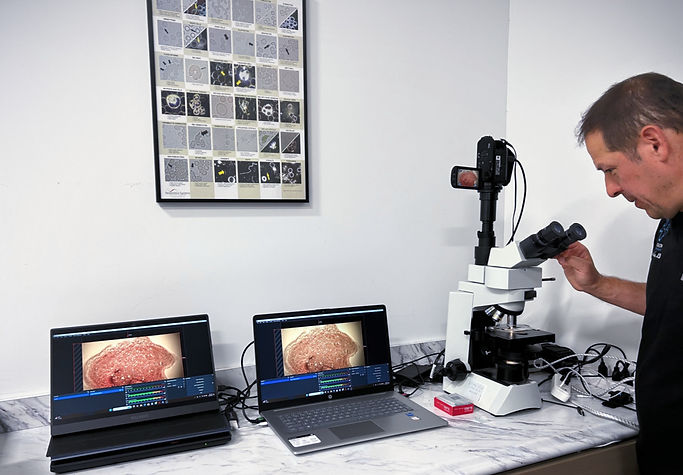
What is it:
Dry blood analysis offers a distinctive visual perspective on your body’s internal patterns, revealing subtle characteristics that may be associated with inflammation, oxidative stress, toxicity, digestive issues, and overall physiological balance.
Dry Blood Analysis May Help Reveal Patterns Associated With:
-
Indicators of systemic stress and inflammatory tendencies
-
General trends related to immune activity and physiological balance
-
Patterns that may reflect digestive and gut-related influences
-
Signs suggestive of oxidative stress or environmental burden
-
Visual cues associated with nutritional status and lifestyle factors
-
Metal Toxicity
-
Overall systemic balance, including lymphatic and metabolic trends
